Telling the Truth

connecting the dots of my life

Category: Spiritual Formation

For Children Only, from Diane

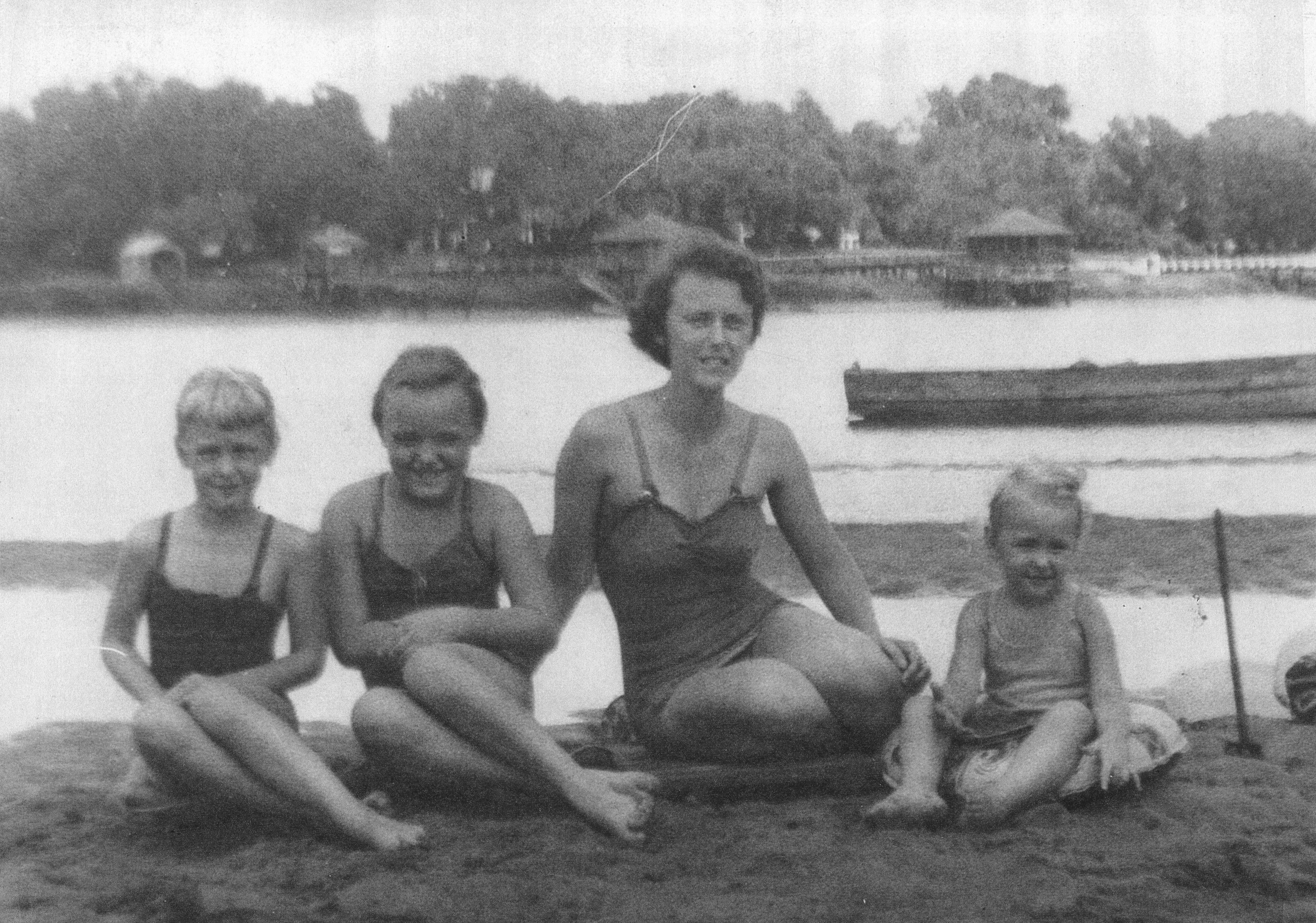
1958 Victory Drive, Diane, Judy and neighbor3

Neighbor, Diane and Sister #4, Summer 1958

Many of you know that Diane, my Sister #3, lived with ALS for ten years before her death in 2006. I’ve already completed a series of Dear Diane letters as part of this blog. I did it because I was starving for sisterly conversation. The kind not allowed in our house with four daughters and no brothers.

I’ve missed that interaction with Diane, and have wondered how to fill the void. I believe her voice is important. She has a strong and somewhat different angle on Telling the Truth.

Near the end of her life, Diane gave me access to most of her writing. I haven’t begun to uncover all the gems—and may never be able to do that.

However, along with her writing, she gave me a set of cassette tapes. You know. The old-fashioned kind.

The tapes were recorded at her church every Sunday. On several Sundays, when the pastor was away, Diane was the minister for the day. That meant she welcomed people, gave the pastoral prayer, and, most fun for her, gave the children’s sermon. At her church they called it ‘Down Front Time.’

The church is large and well-attended. Their sanctuary has a semi-circular seating area. The large, curving platform holds the choir, organ and piano, and seating for ministers and the pastor, with plenty of room to spare. Steps curve from one end of the platform to the other.

When children are invited to Down Front Time, they come and sit with the pastor or minister on the platform steps. Whoever leads Down Front Time always has a bag. The children know there’s a mysterious object in the bag–the key to the topic for the day. There’s also a bit of friendly banter, sometimes for the benefit of adult children in the congregation.

I transcribed most of Diane’s Down Front Times a few years ago, but haven’t been sure how I might feature them. I’ve decided to make use of them via excerpts that get to the heart of each children’s sermon. Possibly one a week as I did with her Word for the Ones I Love.

Diane loved children and they loved her. Her quirky sense of humor and down-to-earth approach to life pulled them right in, along with all the adults listening in.

From this distance, what catches my attention most is that Diane is talking to herself, not just to the children. She’s doing her own spiritual formation work in front of them—with the simplest or strangest of objects. Yet the content isn’t simple or strange. It’s the content of life—all the things that matter most, reframed and restated for young children.

I want to be a young child listening to her along with you. So look for this soon. I’m already working on the first of her Down Front Times.

© Elouise Renich Fraser, 7 July 2015
Photo credit: JERenich, Summer 1958, Savannah, GA
Saying Goodbye to Mom | Memories

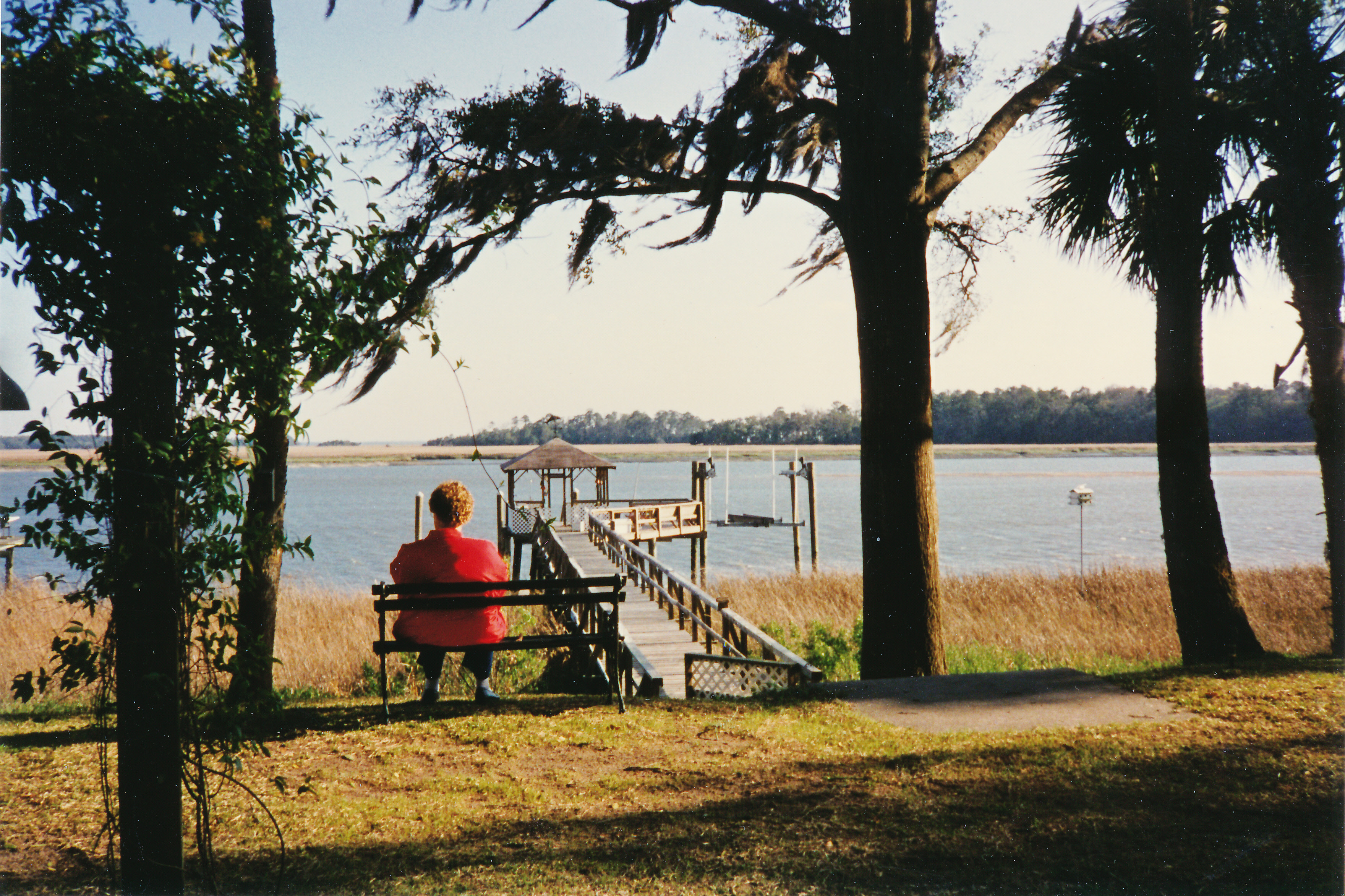
1996, Diane on bench, Montgomery house

Diane at our old house on the river, 1996

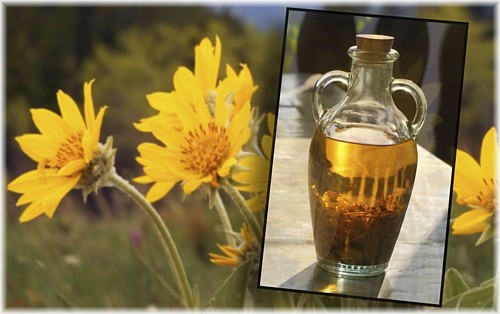
Regrets. This one grabbed my attention after I’d written my piece about Mom and Arnica Ointment. It all began in 1998 with a telephone call to let me know Mom had just had a stroke. The news immediately set off a firestorm of self-recrimination in me. Here’s why.

In late 1998, two months before Mom’s stroke, she and Dad flew to Houston to visit Diane and her family. I’d flown to Houston two days earlier–the first time I’d visited Diane since she had gone on a ventilator.

Even though I’d been there before, I wasn’t ready for the sound of this monster machine pumping, wheezing and making noise night and day. Add to that the agony of never hearing Diane’s voice again.

Two days later I drove to the airport to pick up our parents. Mom was in a wheelchair. She was wearing a new, unobtrusive microphone that picked up and projected her weak voice. Suitcases were piled high on a cart. Some filled with equipment to ease Mom’s increasing difficulties with post-polio syndrome.

Mom and Dad’s visit with Diane was painfully difficult. They didn’t seem to know how to relate to her, given dramatic changes in Diane’s ability to communicate.

Two years earlier in March 1996, Diane, her husband and daughter drove to Savannah for a small family reunion. We all knew Diane had ALS, and that this was her last trip to Savannah.

There were awkward moments, especially when Mom choked more than once while trying to swallow food. We all knew Mom wasn’t well. Nonetheless, the visit was happy, a nostalgic stroll down memory lane.

We drove downtown to see the old grade school we sisters attended, and where Mom taught kindergarten. We also drove out to our old house on the river, seen in the photo above, sandbar peeking through at low tide.

Diane’s body already showed limitations from ALS. Yet they were nothing compared to what she now lived with, just over two years later.

Here are a few excerpts from my Houston journal that describe what I observed in my parents in late 1998.

Silence and sadness and inability to speak. . . .Very uncomfortable to watch. . . .Neither of them [my parents] knowing what to say or how to act. Awkward.

The air was heavy with longing and with stunned silence. Not knowing what to do or how to relate. Sometimes projecting onto Diane thoughts and feelings that seemed to keep them from admitting their own sense of grief and helplessness.

I tried to help bridge the gap, but it didn’t work. I felt stuck. Unable to move things forward. Nothing about this visit felt normal—even though we were all dealing with the new normal.

My parents were there for five days. On the sixth day, Diane’s daughter and I drove them to the airport. I wasn’t sure how I would tell them goodbye. A lot of old buttons got pushed in me during this visit, and I was relieved that they were returning home.

Still, the thought of my parents negotiating the airport alone weighed heavily on my mind. I was about to suggest we park and go in with them when Mom spoke up. She said she didn’t want us to go in with them because she didn’t like goodbyes.

So we dropped them off at the curbside check-in and left them there. Two very frail human beings. As we drove away I had second thoughts.

Two months later I got the call about Mom’s stroke. I’d talked on the phone with her once since the Houston trip. It was my last verbal conversation with Mom.

For years I blamed myself for not parking and going into the terminal. Strangely, it seems Mom’s stroke and my arnica ointment helped ease the way for both of us–even though it was late.

Perhaps that’s how I discovered what I wanted to say to her, and how. Still, I prefer earlier goodbyes. And fewer regrets.

© Elouise Renich Fraser, 6 July 2015
Photo credit: DAFraser, March 1996

Framing Freedom

re-framing freedom, seedquote

I’m writing this on July 4, Independence Day in the USA. A day that’s all about freedom. That intangible, inalienable ‘right’ highly valued in our national rhetoric.

When I was teaching theology I couldn’t help noticing how many seminarians defined Christian freedom as free will. The kind that makes choices—yes or no. As some said with fervor, ‘You can take away my house, and even my life, but don’t you dare try to take away my free will!’

I understand what they want to protect—their own freedom of choice, as a kind of inalienable right. Something God gave them that needs to be protected at all costs. The freedom to choose right or wrong, this church or that church, to believe and live this way or that way.

The ability for human beings to makes choices of any kind comes from our Creator. Yet I wonder. Do we understand the meaning of Christian freedom?

Even if I’m speaking of generic freedom, I’m not free to choose just anything. If I think I am, I’m overlooking most of my history.

  • I didn’t choose to be born in this country.
  • I didn’t choose my gender, my race, my parents, the color of my hair or my eyes, my sisters or my extended families.
  • Nor did I choose the way I was received into this world.
  • Or the genes I carry that shape the kind of person I am and the illnesses I might one day suffer.

In fact, I didn’t get to choose much of anything when I entered this world.

On the other hand, I don’t believe everything about me and the course of my life was or is chosen by a higher power or some shadowy political system.

My decisions count, though not every decision is equally weighty. What I wear today isn’t nearly as life-changing as choosing to marry this person instead of that person.

Still, I can choose to live in what I’d call false or make-believe freedom—as though I were God. Or the Queen of the Universe. But I am neither of these, and acting as though I were wouldn’t make it so.

My freedom as a Christian is about one thing.
It’s about freedom to choose life as defined by the Holy One
who created life and chose Jesus Christ (not me)
to be the person who shows us what a free and faithful life looks like.

My Creator doesn’t force this on me. Yet as a follower of Jesus, it’s the only truly free choice. Anything else would be pledging allegiance to some other god — to myself, or to some other human being or system of thought.

I’ve chosen to frame my life choices with reference to the narrative that runs through Hebrew and Christian Scriptures. That doesn’t mean it’s easy to negotiate relationships or the moral and ethical dilemmas that face all of us daily.

It does, however, mean I’m committed to being guided by (1) the life of Jesus Christ who shows us what freedom looks like, and (2) by the reality that I serve but one God—my Creator, Redeemer, and Sustaining Spirit.

It also means I’m free to be who I am—one of God’s beloved daughters and sons. Nothing more and nothing less.

I’m free to choose to love and serve God with all my heart, follow Jesus, and love my neighbor as myself. I’m also free to return home to God as often as needed—as the prodigal daughter I am, or as the self-righteous stay-at-home daughter I also recognize in myself.

Finally, I’m free to say No to others who demand my unswerving allegiance, or pretend to be my King or Queen for a day or a lifetime. In the end, saying No might mean my death–as it did for Jesus Christ and still does for many of his followers.

© Elouise Renich Fraser, 4 July 2015
Image found on internet at seedquote.jpg

Scrub and Sing

just whistle while you work large

Here’s a happy follow-up to yesterday’s post. I’m guessing Amy Carmichael and I are not of similar temperaments when it comes to heavy daily burdens. Maybe you can identify with this poem better than I can! Read the rest of this entry »

My Heavy Daily Burden

Cartoon, Pugh - My Heavy Daily Burden

I seem to have inherited—or imbibed from some putrid well—a long-faced, morose and sanctimonious approach to duty.

  • [Imagine: Many sighs and heavings of the breast to communicate the awful heaviness of my daily burden]

Read the rest of this entry »

Dear Dad | What Ifs

P1050544

To Dad with Love from Elouise

Dear Dad,
I wasn’t going to write about this today. But when I woke up this morning it was already on my mind. So here goes.

Over a year ago I began wondering how I would answer questions like these:

  • What did you inherit from your father?
  • What are you proud of in your father?
  • What’s the best gift your father ever gave you?

I often feel left out when I hear daughters, not just sons, thanking their fathers for being their mentors, their best friends, their coaches in life and their faithful cheerleaders. Sometimes they tell stories about how this happened. Do I have stories like this?

When I was young I was proud that you were a preacher and that you’d gone to college. Besides, you could fix just about anything in the world, and knew the Latin names of most every plant in the world. And could recite poem after poem by heart.

As an adult, I’ve always said I inherited from you a love of theology. Because I became a theologian, this was important to me. Something that set you apart from most other fathers.

At the same time, it was never easy to answer questions about your influence in my life. So when I began my list of things we share, I thought it would be a short list. I also wanted to think about you differently—without denying our sometimes unhappy history as father and daughter. In the end, the list was longer than I thought it would be, and brought back some happy memories.

When I woke up this morning I started asking myself some What If questions. Most of the time I stay away from What Ifs. They don’t seem to get me anywhere, and end up making me even more unhappy than I already was. Besides, they don’t change What Is—what I must live with each day.

Still, my What If questions wouldn’t go away. Here’s how I’m thinking about it.

  • As a parent, I found it distressingly easy to be judgmental and critical. Or to put my children on guard or push them away. I haven’t just experienced it as a child; I’ve done it as a mother.
  • So what if I were interested, positive and encouraging to my children? I know this works better, because I’ve experienced it, too. Not because it came naturally to me, but because I learned how to do it.

So back to you and me. What if you had taken a different approach with me?

When I was growing up I watched you relate to children and teenagers not in our immediate family. You seemed to be a different person! They loved you. They experienced you as their friend and cheerleader. They weren’t afraid of you the way I was. You were firm with them, but not harsh and unyielding.

I wanted you to relate that way with me. Sometimes this happened a bit when our family went on long road trips. They forced us out of our tired, predictable patterns.

Going to summer camps as a family was a bit like this, too. Not exactly the same, but enough to convince me that I’d rather be traveling or camping with you than living in a house with all those Thou Shalt Nots.

I don’t know why you chose to be strict and judgmental. You said you didn’t want me to grow up to be angry like your father was. Today I wonder what it was about you (not about me) that kept you from treating me differently. Since I saw you relating to other children, I know you had the skills to be a different kind of parent.

I used to think your parenting approach was my fault. I don’t think that anymore. I also don’t know whether a different approach would have been possible for you. Either way you’re still my father, and I’m not about to disown you.

Love and a hug,
Elouise

© Elouise Renich Fraser, 1 July 2015
Photo credit: DAFraser, March 2015, Longwood Gardens

Dear Dad | Things We Share

Sandbar-Ruth, El, Mom, Diane, c1951b

Sister #2, Elouise, Mom, Diane on sandbar. Our dock and boathouse are just above my head, to the left. Summer 1951

Dear Dad,
Today marks the fifth-year anniversary of your death. Not a long time, yet it feels like an age ago. Like the photo above. Do you remember that day? It was 1951, our first year living on the river in the Deep South. Read the rest of this entry »

taut sinews

P1030383

taut sinews
connect thick roots
with massive trunk

gaping scars Read the rest of this entry »

Looking for Serenity | Photos

P1060706

Frequent Visitor to Water Lily Ponds at Longwood Gardens

Every time I visit the water-lily garden at Longwood, I want to sit on a bench and drink in the serenity. I could use a little right now. So here it is. A virtual tour. Free of charge!

This photo looks back toward a large display hall in the Conservatory.
Note the round pond in the center of the courtyard,
with a blossoming lotus plant in the center.

DSCN1380

Six rectangular ponds like this one surround the central pond.

P1060701

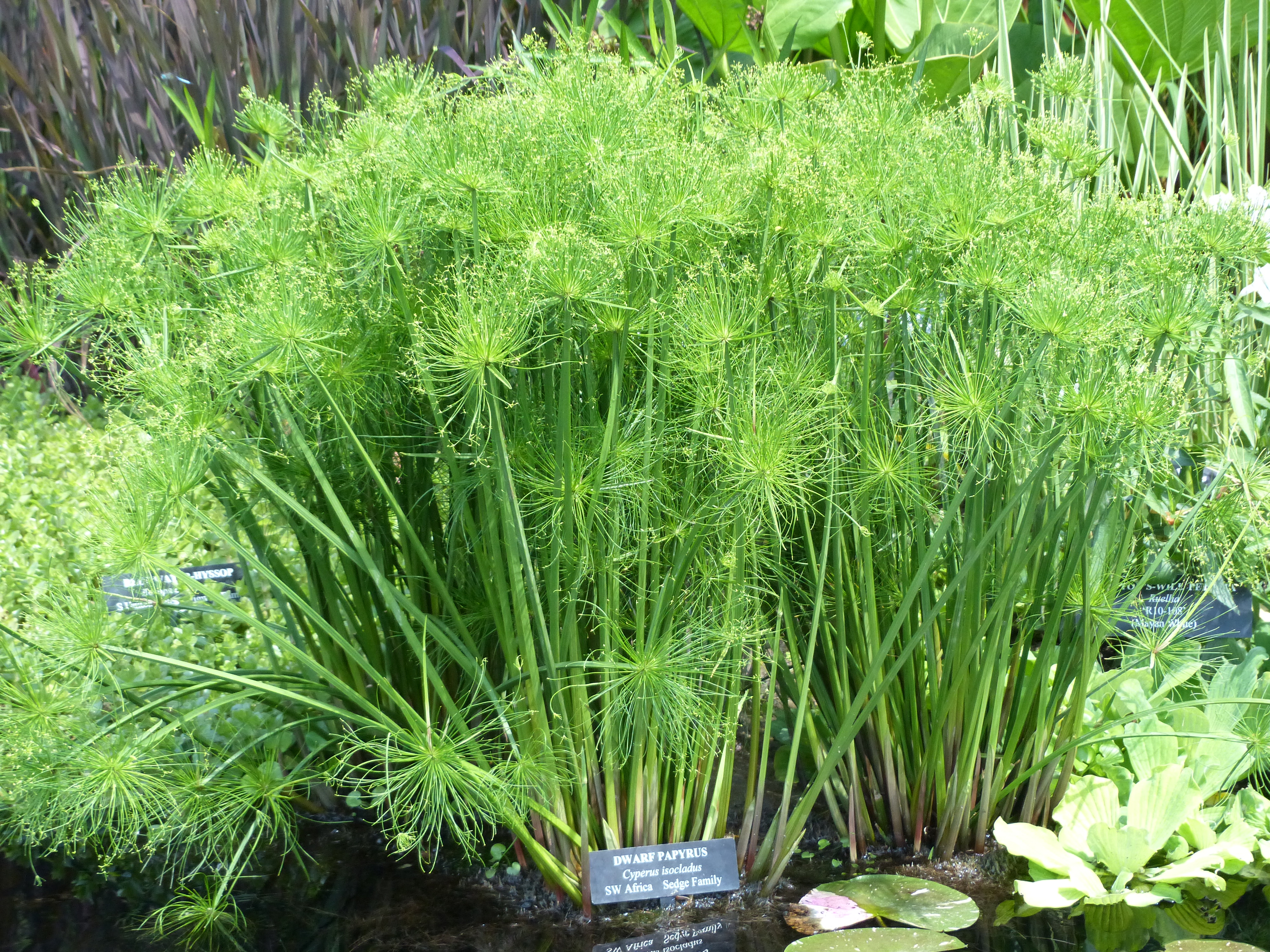
The garden also includes plants that thrive
in ponds and wetlands, such as
this Dwarf Papyrus from South West Africa.

P1030484

Here’s a view looking toward another side of the Conservatory,
water-loving plants in the background.

DSCN1377

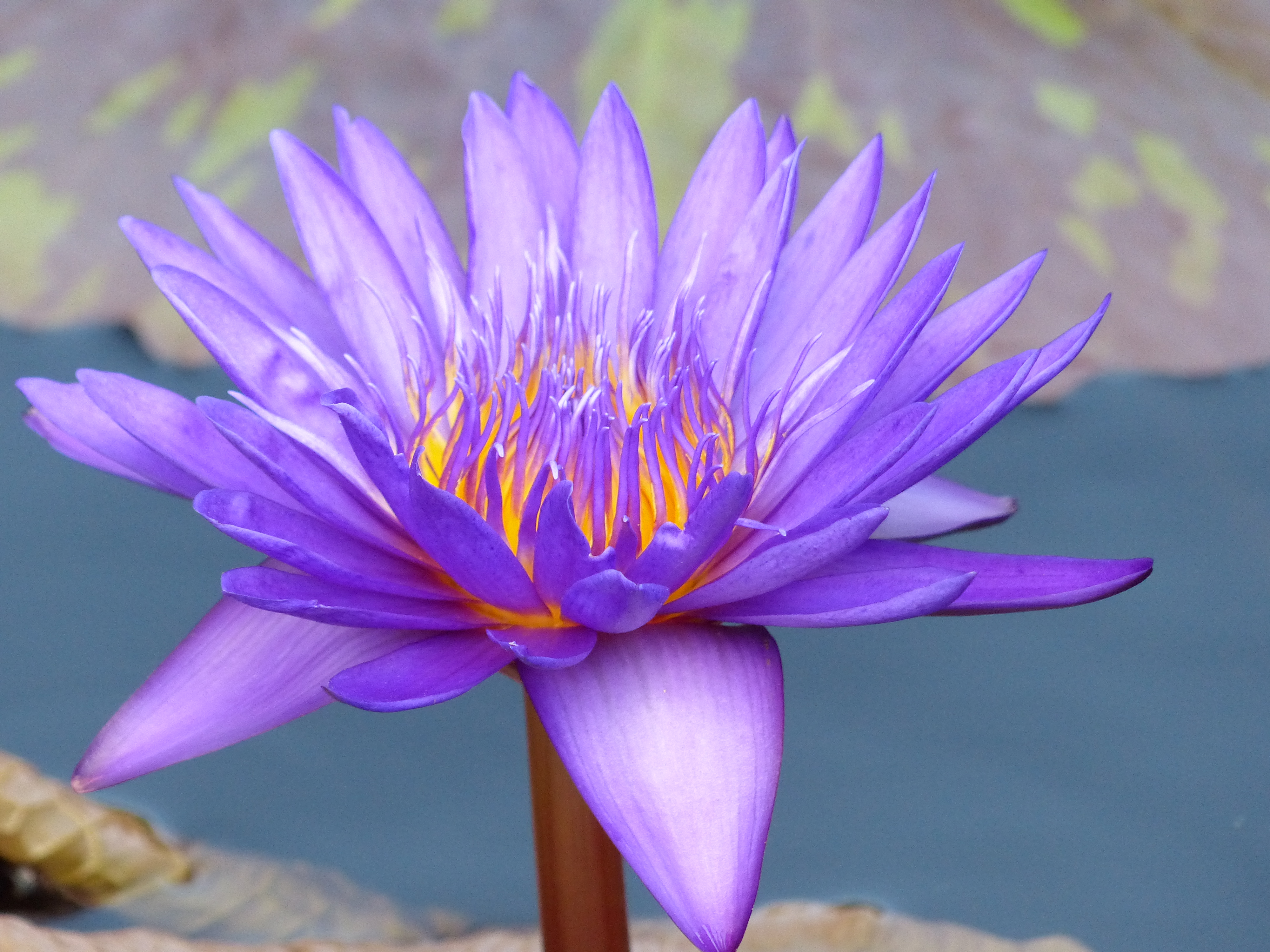
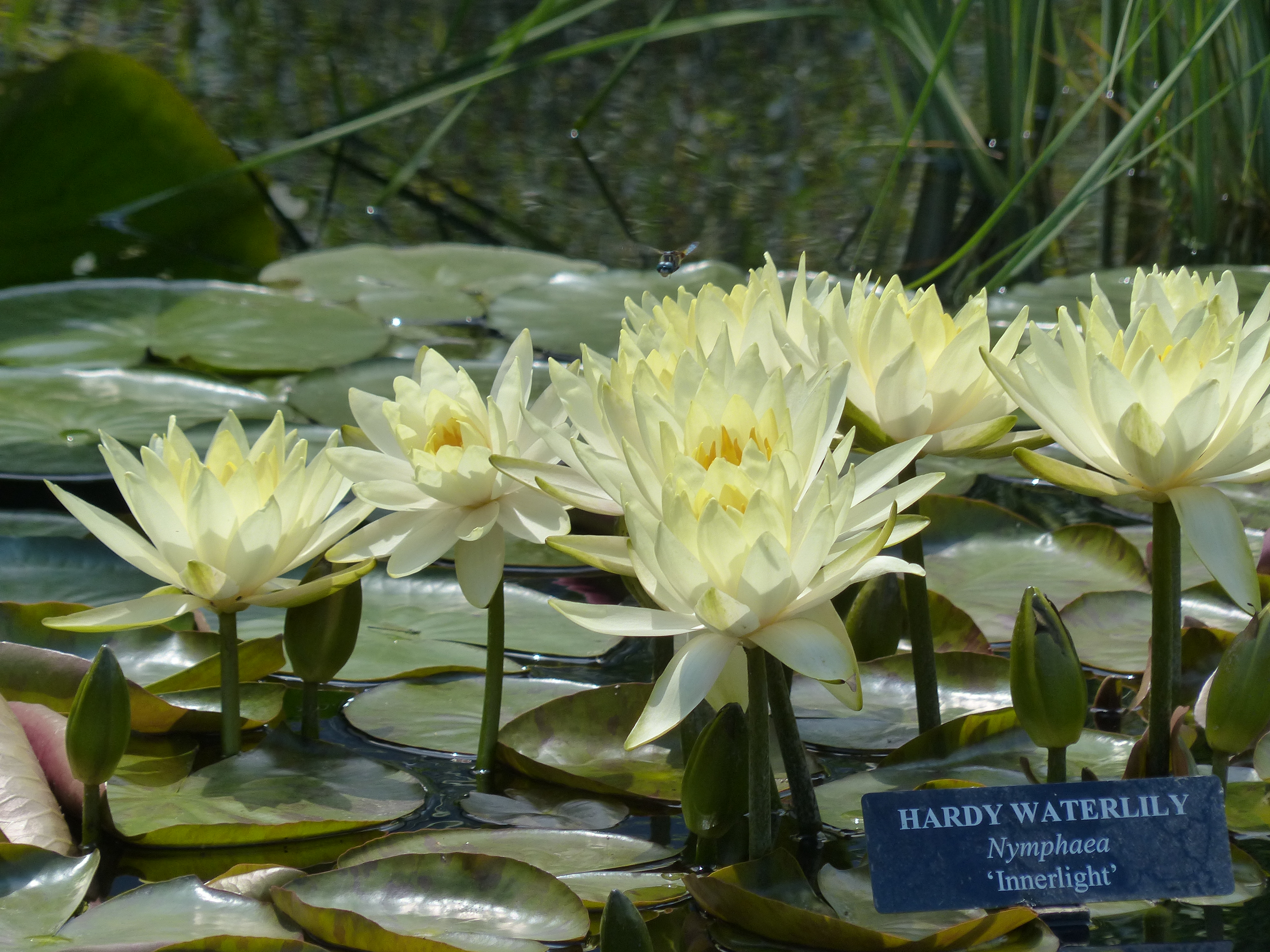
Next, close-ups of water lilies in full bloom.

P1060722


P1060718


DSCN0731

It takes a lot of effort to keep this garden looking spiffy!

P1030491

One last serene lotus blossom.
P1030487

God, grant me the serenity to accept the things I cannot change,
Courage to change the things I can, and the
Wisdom to know the difference.

Click here to read the full text of the original prayer.

*  *  *

© Elouise Renich Fraser, 29 June 2015
Photo credit: DAFraser, October 2005, July 2014, June 2015
Full text of serenity prayer attributed to Reinhold Niebuhr, written in 1926.

Mom and Arnica Ointment | Memories

ArnicaFlowerExtractfromVideo

~~~Arnica Flowers and Healing Oil

Touching Mom was never easy for me. That included everything from an arm around her shoulder to a kiss on her cheek. Hold hands? Forget it. The ache for physical contact was there, but the reality—or even imagining the reality—was an immediate turnoff. Read the rest of this entry »