Telling the Truth

connecting the dots of my life

Tag: Glory Falls | Maya Angelou
Glory Falls | Maya Angelou

Here we are, near the eve of July 4. Though it’s a day to be proud of our nation, so much has gone so wrong. My comments follow Maya Angelou’s poem.

Glory falls around us
as we sob
a dirge of
desolation on the Cross
and hatred is the ballast of
the rock
      which lies upon our necks
      and underfoot.
We have woven
      robes of silk
      and clothed our nakedness
      with tapestry.
From crawling on this
      murky planet’s floor
      we soar beyond the
      birds and
      through the clouds
      and edge our way from hate
      and blind despair and
      bring honor
      to our brothers, and to our sisters cheer.
We grow despite the
      horror that we feed
      upon our own
      tomorrow.
We grow.

Maya Angelou, poet; found in Sterling’s Poetry for Young People series, page 47.
Published in 2013 by Sterling Children’s Books, New York, an imprint of Sterling Publishing Co., Inc.
Editorial material © 2007 by Edwin Graves Wilson; Illustrations © 2007 by Jerome Lagarrigue|

I’m reminded of John Stainer’s heart-rending chorus from The Crucifixion, with its invitation to pay attention to ‘the king of grief’ instead of simply passing by.

From the throne of his cross
the king of grief cries out to a world of unbelief,
‘Is it nothing to you, all you that pass by?’

It’s one thing to celebrate the insight, agony and beauty of Maya Angelou’s poem. It another to understand that most white people in the USA would prefer to walk on by and try to get on with their lives.

A few weeks ago a friend from seminary days recommended a new book. It’s helping me understand our current impasse here in the USA. It’s written by Drick Boyd, and is titled Disrupting Whiteness: Talking with White People about Racism.

The main point? It’s time for white people to start talking with each other about our individual and collective racism. What are our earliest memories about racism? What forms does racism take? When did we start assuming most white people are superior beings? How do we give up what feels ‘normal’ but is not? How can we support each other for the long haul?

As James Baldwin pointed out in The Fire Next Time (pp. 21-22):

White people in this country will have quite enough to do in learning how to accept and love themselves and each other, and when they have achieved this—which will not be tomorrow and may very well be never—the Negro problem will no longer exist, for it will no longer be needed.

Thanks for stopping by.

Elouise

© Elouise Renich Fraser, 1 July 2021
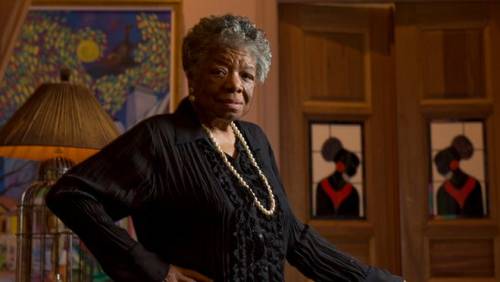
Photo of Maya Angelou found at usatoday.com
Book covers found at amazon.com

Glory Falls | Maya Angelou

It’s Labor Day Weekend, and we have yet another timely poem from Maya Angelou. My brief comments follow. Please note that periods indicate indentations in the poem.

Glory Falls

Glory falls around us
as we sob
a dirge of
desolation on the Cross
and hatred is the ballast of
the rock
….which lies upon our necks
….and underfoot.
We have woven
….robes of silk
….and clothed our nakedness
….with tapestry.
From crawling on this
….murky planet’s floor
….we soar beyond the
….birds and
….through the clouds
….and edge our way from hate
….and blind despair and
….bring honor
….to our brothers, and to our sisters cheer.
We grow despite the
….horror that we feed
….upon our own
….tomorrow.
We grow.

Maya Angelou, poet; found in Sterling’s Poetry for Young People series, page 47.
Published in 2013 by Sterling Children’s Books, New York, an imprint of Sterling Publishing Co., Inc.
Editorial material © 2007 by Edwin Graves Wilson; Illustrations © 2007 by Jerome Lagarrigue|

On Monday, we celebrate Labor Day. Typically a holiday to celebrate the end of summer, the beginning of the school year, and all people who count as laborers. Who, of course, have Monday off unless they’re indispensable. A day for fun, relaxation, sports, the beach, the boardwalk, hiking in the mountains, and hotdogs.

In light of this, Maya Angelou’s poem may seem out of place. Yet given our history of slavery, her poem is a grim reminder of the cost slave laborers and people of color paid and still pay today. It also suggests a connection with Jesus’ death and resurrection. This connection can generate growth away from the horror of hate and despair. It can free the soul to “soar beyond the birds and through the clouds,” despite the horror “we feed upon our own tomorrow.”

Is there room for me in this poem? For you? I don’t know the answer for you. However, I believe this poem invites me to become brave. Not just in my personal homework, but in our current political context that reeks of unfinished business.

I’m grateful for your visits, especially given all that’s going on around us these days. I pray we’ll find ways this weekend to nurture our spirits and bodies with courage and strength. Plus enjoy unexpected moments with friends, neighbors and strangers. And grow just a bit closer to the persons we were meant to be.

Elouise

© Elouise Renich Fraser, 5 September 2020
Book Cover image found at amazon.com