Telling the Truth

connecting the dots of my life

Category: Spiritual Formation

Conversations that matter

On 21 April 2016, I broke my jaw and my wings were clipped. Not just by the broken jaw, but by a string of unanticipated health events that followed. Today it takes time to attend to my aging body.

So I often wonder what the meaning of my life is now. Why am I here? I know I’m going to die. So what about the meantime, in whatever time I have left on this earth? Is blogging it? I love blogging, but….

A couple of weeks ago I got an email from a friend and former colleague at the seminary. Would I be willing to interview a seminarian working on her MA degree? The answer was Yes! Of course! Big smiles and happiness! A high point in my life!

So this last week I spent time on the phone with her. Lots of time. We didn’t talk about the fine points of my life as a pastor (which I am not). Instead, we talked about the not-so-fine points of my life as a survivor of childhood abuse. Especially what it took in my late 40s to begin the long process of healing while I was professor and then dean at the seminary.

Why was this conversation a high point for me? Because it let me know I still have something to say. Especially, but not only to women and men preparing for ministry in churches, or for leadership in religious organizations.

Blogging about my experience has been and still is part of my healing. Yet nothing beats a one-on-one conversation, or a small group discussion in which I’m able to talk about what it took for me to begin healing.

We’re all dealt cards we didn’t ask for, even before the moment we’re born. Going into a professional position or a new job doesn’t magically make all that disappear. In fact, it often triggers it. Understanding how trauma shaped and still shapes us is worthy of our best efforts. Not alone, but together.

I don’t know how this will play out. Nonetheless, I’m hoping for more informal opportunities in which my personal and professional experiences come together in surprising ways.

Cheers!
Elouise

© Elouise Renich Fraser, 14 October 2018
when women refuse to be silenced

#MeToo backlash
a tsunami of contempt
contorted faces
taunting voice of POTUS
how dare they call us out?
crocodile tears for victims
rage at their own undoing
fear writ large
caught in headlights
frozen with disbelief
resorting to the game of boys
bullying their way to the top

All this and more
when women refuse to be silenced

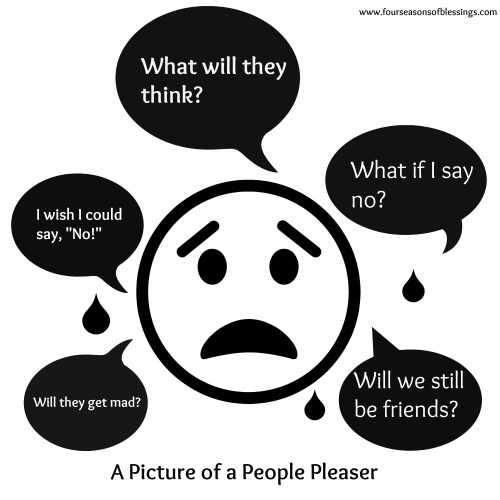
The most powerful force that silences me is NOT what others say out loud or even to me about ‘these women.’ It’s my own deeply ingrained people-pleasing habit.

Though it isn’t as strong as it was several years ago, it’s still a powerful force. A forked tongue that keeps whispering I’m a hair’s breadth from being ruled out of order, or losing all my friends.

Some women and men in my life don’t struggle with this. I admire them. Watching them makes me keenly aware I wasn’t born or raised to this level of direct personal honesty. In particular, I didn’t learn to stand up for myself, and I’m still paying for it.

So here I am today dealing with demons of the past, though in a new key.

Thanks to recent events and our national history, I still have opportunities to speak up and act differently than in the past. Not as a child, and not as an outsider. I’ve more than paid my dues. I’m in the last chapter of my life, faced with opportunities to make a difference. Not just for others, but for myself. First, however, I have to negotiate just one piece of business:

“The dying woman has to decide how tactful she wants to be.”
With thanks to Anatole Broyard, Intoxicated by My Illness, p. 62

It isn’t over until it’s over. I’m staying tuned.

© Elouise Renich Fraser, 12 October 2018
Image found at luckyottershaven.com

Inconvenient truth

Bad timing
The look on your face
The tone of your voice
Your choice of words
What you said
How you said it
And a thousand other
Inconveniences
Called upon as evidence
Against you and your kind
Will never withstand
The strength of truth
Spoken out loud
By just one survivor
With nothing to gain
And everything to lose
Including false shame

If I had to name my greatest achievements in life they are, in order:

  1. Seeking help from a psychotherapist for unrelenting IBS, depression, shame, anxiety attacks and more. I was in my late 40s.
  2. Setting up a meeting with my parents and reading to my father my two-page statement. In short, I did not deserve to be shamed, humiliated or silenced by his beatings. This meeting took place on the eve of my 50th birthday.

The poem acknowledges the excruciating reality that there will never be just the right moment to tell inconvenient truth. Or just the right way. Or with just the right looks on our faces.

I applaud survivors of life-changing events, endured at the hands of others, who do their ‘homework’ and then speak out. As many times as needed.

We are an inconvenient truth in this nation.

We’re everywhere, in sight and out of sight. We want freedom from false shame, debilitating depression, anxiety attacks, and lies we tell ourselves about ourselves.

Many of us were violated as children or babies, before we were old enough to know what was being done to us. Often violation against us preceded our own violation of others. That doesn’t get us off the hook. It just clarifies the lay of the land and what we must do to make sense of what seems senseless.

We can’t change the people who victimized us. We can, however, give ourselves the gift of facing what happened to us, getting professional help, and learning to do what we think we can’t do to make amends to ourselves and others. No matter what the consequences.

A liberated voice doesn’t come cheap.

© Elouise Renich Fraser, 10 Oct 2018

Small gifts

Small gifts grace my eyes
Bursting with life and color
They command the scene
Announcing their calm presence
in the garden of my life

It’s difficult to think of my life as a garden. But that’s just what it is, isn’t it? A small patch of earth populated by new growth, the occasional stunning blossom, weeds, trampling of feet, the stench of manure, and all the rest that goes into the pot.

It seems nature, aided and abetted by a Master Gardener, combines the good, the bad and the ugly within one spectacular display. Seen from afar the garden glimmers almost like a desert mirage.

The photos above are from Chanticleer Garden. It’s a magical place. Even so, weather happens. People happen. Bird poop, poison ivy, weeds, and predatory mosquitoes happen. It takes a team of gardeners to keep up with pests, damage and overgrowth on the ground.

As for my life, I’m at peace with my past. Still, I can’t dispense with a team of gardeners, much less the Master Gardener. There’s work yet to be done beyond my limited eyesight and capacities.

Above all else, I want to keep the ability to see and appreciate small gifts sent via nature. Gifts that arrive unannounced, just when I need them. Like the photos in this post.

Happy Monday!
Elouise

© Elouise Renich Fraser, 8 October 2018
Photos taken by DAFraser, July 2017, at Chanticleer Garden.

The morning after the week before

Dancing in aisles around subjects
We wish we could avoid
Drunk with lust for power
Or sidelined as spectators
We are the worst circus in town
At war with ourselves in a script
Written in the heat of battle
Directed from the top down
Delivered on time or die the death
Of a thousand retributions

When did we become what we have become? Or has it always been this way?

In either case, we’ll get nowhere until we commit ourselves to listening and responding appropriately to the voices of survivors and to those who care deeply for their well-being.

As for survivors, we are many. Telling our stories matters. Listening to our stories matters. Working with us instead of against us makes a difference. So does ignoring, belittling or taunting us.

Recently I’ve been reading Intoxicated by My Illness, by Anatole Broyard. It’s about life and death. It’s also about his own approaching death. He’s brutally honest, funny, sad, thought-provoking and more. I highly recommend it, especially if you’re dealing with your own mortality.

Here’s a quote from page 68, revised to fit my gender. I don’t think Anatole Broyard would mind.

The dying woman has to decide how tactful she will be.

Anatole Broyard, Intoxicated by My Illness, p. 68
Compiled and edited by Alexandra Broyard
Published by Ballantine Books
© 1992 by the Estate of Anatole Broyard

Yes, this is about the way I deal with myself and others. I’m dying a bit each day. It doesn’t matter whether I have a diagnosed terminal illness. I don’t have time to beat around the bush or hide behind polite niceties. Or promise to do things I know I cannot do.

This also has to do with this moment in our nation’s history, and the importance of survivors speaking out against all odds. I still have a few things I’d like to add to the conversation. How about you?

© Elouise Renich Fraser, 7 October 2018

Choosing to embrace the possible

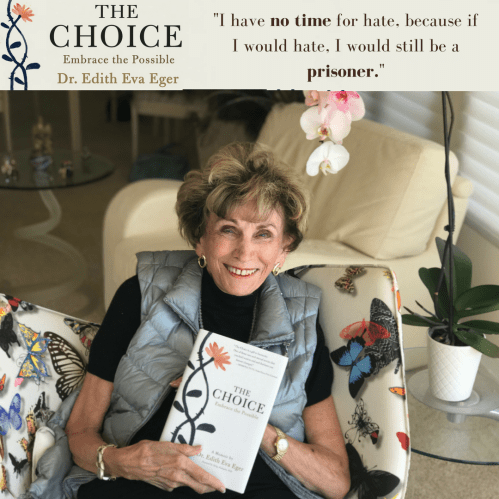
Several weeks ago I finished reading Dr. Edith Eva Eger’s riveting memoir, The Choice. Dr. Eger is in her 90s. She’s a psychotherapist and a survivor of the Holocaust. One of thousands, including her entire family, rounded up by Nazis and sent from Hungary to Auschwitz. This is a 5-star book, well worth reading.

When it appeared the Nazis might not win World War II, Dr. Eger, a young Hungarian Jew teenager, was evacuated from Auschwitz. Eventually she ended up in the Death March of young girls who walked to a prison facility at Gunskirchen in upper Austria. Many didn’t make it.

Dr. Eger begins and ends her memoir by describing her work with several types of clients suffering from PTSD. Each had a different version of PTSD; each had to unravel the tangled knots of past histories; each had to find within him or herself the courage to change.

After recounting her own story, Dr. Eger describes the way these cases challenged her to understand more about her own traumatic experiences as a young Hungarian Jew. Recovery from PTSD isn’t over until it’s over.

The map of Dr. Eger’s journey from Hungary to the USA is convoluted, filled with high personal drama and heartbreaking choices. Some would call it a page-turner. I could only take several pages or short sections at a time.

Here’s what grabbed me: The one thing Dr. Eger did not want to do was, in fact, the most important thing she had to do to be at peace with herself and those she most loved.

This got me thinking. If she still had unfinished work even after she was a well-known, sought-after psychotherapist, what might that mean for me? What have I missed seeing back there in my history?

Short answer: I missed seeing my lost self. Not my family history or my father’s abusive, unyielding treatment of me, but myself! Yet there I was. From the second month of my mother’s pregnancy until I was 10-months old, my father was not a daily presence. He was in a TB sanatorium somewhere, fighting for his life.

Those ten months are a small piece of ground that belong to me. They aren’t marked by his attempts to beat anger out of me and make me into a tame, submissive ‘good girl.’ It’s not too late to take care of that young infant in me. The one I overlooked for so many years.

I highly recommend Dr. Eger’s book, even if you’re only interested in a no-holds-barred, first-hand account of part of World War II. On the other hand, you might also find a bit of your lost self along the way.

© Elouise Renich Fraser, 5 October 2018
Image found at mdmemories.blogspot.com

What next?

Standing alone
Holding what’s left
Of a lovely old body
Weary and dependent
She now begs for mercy
And justice from me
Her semi-absent keeper
Of too many years

What now?
Where now?
What next?
I haven’t a clue.
Have you?

The dilemma of each day. I don’t feel sorry; I feel sad. Last night I had a plan. Then I woke up this morning and my body begged for mercy and justice. My plan changed.

I want to save the world. Or at least what’s left of it. Now. Not later. My body stands there staring at me in the mirror. And what about me? Don’t I count for something?

The responsibility to take care of myself, not the rest of the world, weighs heavy. Not because I don’t know what to do, but because I’d rather be out there fighting for justice and mercy!

How ironic. Looking back, I see patterns that drove me. I also see the high cost my body is paying. Then I think of all the students and friends I’ve exhorted over the years to ‘take care of themselves.’

The title of a book I read in the last year or so comes back to haunt me: The Body Keeps the Score. Indeed it does keep the score. Mercilessly, yet mercifully when I’m willing to pay attention. This is now. Not then. I have choices.

So this morning I cancelled my plan and am listening to my body. Keenly aware that my new baby doll stand-in for me, 10-month old Marie, knows exactly what it means to be abused and taken for granted by someone who claims to love her. Sadly, I have sometimes been my complicit enemy, especially as an adult driven by ghosts from my past.

The sun is out; fall is almost in the air; it looks like a good day for a walk in the neighborhood! And a long look at that lovely photo at the top–a dock that reminds me of my favorite childhood getaway.

Happy Thursday!
Elouise

© Elouise Renich Fraser, 4 October 2018
Photo found at pinterest
Dock on the Skidaway River, Isle of Hope, Georgia

A Conceit | Maya Angelou

This short poem from Maya Angelou resonates today. Especially in light of undeclared and declared wars raging in the USA and around the globe. Note that a conceit is an image or metaphor as often found in poetry. So use your imagination as you read! Maya Angelou is painting a picture in poetic language. My comments follow.

Give me your hand.

Make room for me
to lead and follow
you
beyond this rage of poetry.

Let others have
the privacy of
touching words
and love of loss
of love.

For me
Give me your hand.

Maya Angelou, in Poetry for Young People
Edited by Edwin Graves Wilson, PhD
Illustrated by Jerome Lagarrigue
Published in 2013 by Sterling Children’s Books

In this short poem I hear Maya Angelou saying two things about life and poetry.

  • Poetry can be emotionally moving while remaining a private indulgence.
  • This poem asks for more than this. Will you come with me?

Her phrase “beyond this rage of poetry” gives us a clue. This rage isn’t about anger. It’s the raging emotions of literary writing. This includes poems that convey deeply felt, sometimes prophetic emotions.

Maya Angelou’s poem demands more than our feelings, our sentimentality. It invites action. Not simply alone, but also together.

It may sound trite to say we need each other. Of course we do. Yet this poem is about more than that.

On its own, poetry can’t bring about change. It doesn’t matter how persuasively a poem describes our agony or our ecstasy, our losses or our love. What matters most is what we do or don’t do about it.

And so Maya Angelou’s poem offers an alternative to living in the private world of poetry. The alternative moves me into public worlds in which I am not yet present just as I am. Vulnerable, a beginner, falling down and getting up to begin again. Hanging onto Maya Angelou’s hand for dear life. Sometimes leading the way.

This first step doesn’t absolve me of responsibility for the direction we take. Yet if I don’t take Maya Angelou’s hand and follow her lead, I won’t discover what we may need to do next.

My gender, color, family background, or other markers of my so-called ‘identity’ won’t help me solve a problem I don’t yet understand.

Where are we going? We’ll find out together, ‘beyond this rage of poetry.’ Beyond its private intensity and enthusiasm of words.

© Elouise Renich Fraser, 3 October 2018
Image found at wikia.com

chilled blood huddles

chilled blood huddles
beneath waves of hot anger
shot from unchecked mouths
with deadly accuracy
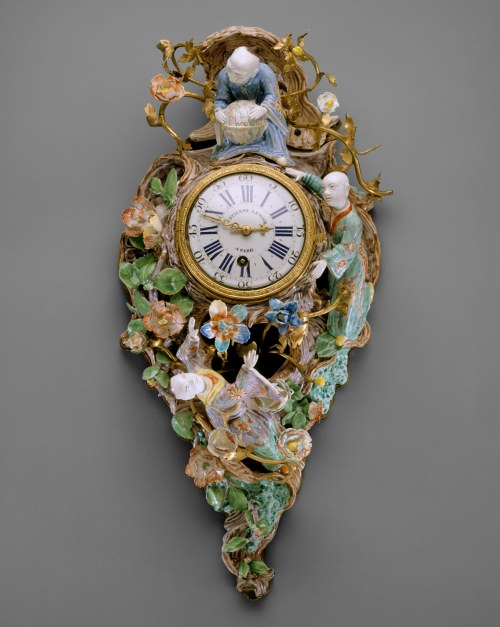
the clock ticks down to nothing

I wrote these words on Friday evening, the day after last week’s Senate Judiciary Committee hearings of Dr. Christine Ford and Judge Kavanaugh. The poem attempts to capture in words the look, sound and feel of time running out.

But for whom is it running out? I don’t think we’ll know that for a while, no matter how this plays out.

In the meantime, I understand this about myself as an adult survivor of violence toward women:

My responsibility is to take care of myself,
not to change the culture of violence toward women

I didn’t think this up by myself. I heard it in a public radio interview with a woman working on behalf of sexually assaulted persons. Her comment rang true, given my sense of despair and hopelessness.

I need to keep the focus on my sanity and health. Take care of myself.

The images and words I saw and heard during the Judiciary Committee hearings took me right back to the meeting with my parents in 1993. When I left that meeting I knew I couldn’t change my father’s attitude toward me, or my mother’s loyalty to him as her husband.

Yet perhaps I might make a difference for other survivors, or even for a few perpetrators. I still think that’s possible.

Most difficult is the high level of commitment I need just to take care of myself. Daily. Especially as I age. And then there are those unpredictable bombshells that keep hitting the news.

So here I am, still committed to telling the truth about myself. Not simply as a survivor, but as a thriving adult woman given an opportunity to make a difference, beginning with herself.

Thanks again for listening.
Elouise

© Elouise Renich Fraser, 2 October 2018

Chilly nights

Chilly nights
Warmish days
Clock ticking
Daylight fading
Mind numbs
Heart beats
Seconds down
End game
Winning score
Closed door
No exit
Straight ahead
Bells chime
Midnight falls

I’m just back from another round of blood-letting. Mine, that is. Seventeen vials again. Peanuts next to what the Red Cross takes (from others, not from me)—100 vials give or take a few.

Nonetheless, after every blood draw I feel like a survivor when I stand up on my own two feet, put my jacket on and walk out the door fully conscious of who I am and where I am. Last time it was a beautiful picture in a well-lit room across the hall that kept me focused.

This time the lights were off across the hall, so I closed my eyes and reverted to my old standby—Psalm 23. I silently repeated this Psalm to myself as a child when I felt anxious or afraid.

I’m not sure what to make of the words at the top. They came dropping into my mind when I sat down to write. Nonetheless, they likely reflect my current focus on the last chapter of my life, now ticking away one minute, one short line, one day at a time.

I also hear an acknowledgement that death is inevitable. I’d rather talk about it than keep it in one of my closets. They’re already full of other stuff I can’t take with me.

© Elouise Renich Fraser, 1 October 2018
Image found at metmuseum.org; European clock about 1735-40