Telling the Truth

connecting the dots of my life

Tag: Memories

being at home

being at home
in her spacious small body
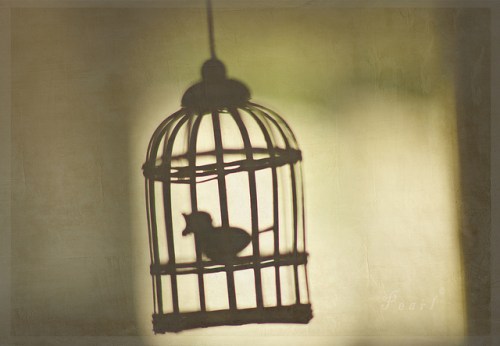
the caged bird sings

My life has felt unusually restricted this winter. It seems outrageous. Here I am, an adult woman with my working years behind me, and ‘nothing’ to do but record thoughts going through my mind.

I’ve almost finished my slow reading of Maya Angelou’s I Know Why the Caged Bird Sings. I’ve been on the lookout for times when the caged bird sings. Times when it seems there’s no way out. No way to reverse what’s happening. Until someone begins singing or writing or speaking, creating a different reality. Intangible yet real.

In addition, this morning I read the following lines from a favorite book on writing.

We can travel a long way and do many different things, but our deepest Happiness is not born from accumulating new experiences. It is born from letting go of whatever is unnecessary, and knowing ourselves to be always at home.

Sharon Salzburg, quoted in Gail Sher’s book, One Continuous Mistake: Four Noble Truths for Writers, p. 36, Penguin Group 1999

As Gail Sher puts it, “Home is where writing happens. The writer’s desk is a miniature world. Self-contained. Hopefully quiet. Anywhere else is somewhere else.”

It’s easy to write about somewhere else, or wish I were somewhere else. In someone else’s body or circumstances. I’m as prone to wandering as anyone. Besides, I think I’ve already had more than enough to say about myself.

Yet here I am today, feeling a tug to say more. In particular, more about my relationships with men. And saying it in a way that sets me free. The way Maya Angelou’s words about her life set her free.

Though my life might seem tame when compared with others, I used to think I would rather die than talk about my history with men. This past week I pulled out notes I made years ago that will help me do this. It’s important, because I believe my history with men was driven by things I was looking for. Not by something inherently wrong with me.

In the end, I want what sometimes has felt like a cage to be part of my home. The platform from which I sing.

© Elouise Renich Fraser, 20 January 2018
Image found at asfmtech.org
Scars upon scars

Scars upon scars
cover futile attempts
to distance pain
of yet another blow
to my body, soul, dreams
or soothing denial

It’s nothing
I can take this
I don’t need to talk about it
I dealt with that long ago
Didn’t I?

And how can I help you today?
I have plenty of time.
I can proofread that if you’d like.
It’s nothing. Really. Nothing at all.
No problem. It won’t take long.
No need to apologize
for anything, really.
We all make mistakes.

Time passes
skin thickens
spine goes rigid
demeanor tentative
neutral eyes scan
from the periphery
avoid other eyes
awkward at best
antennae soar heavenward
nothing and nobody is
safe but this last remnant of
body-soul on alert
not to be lulled into
carelessness

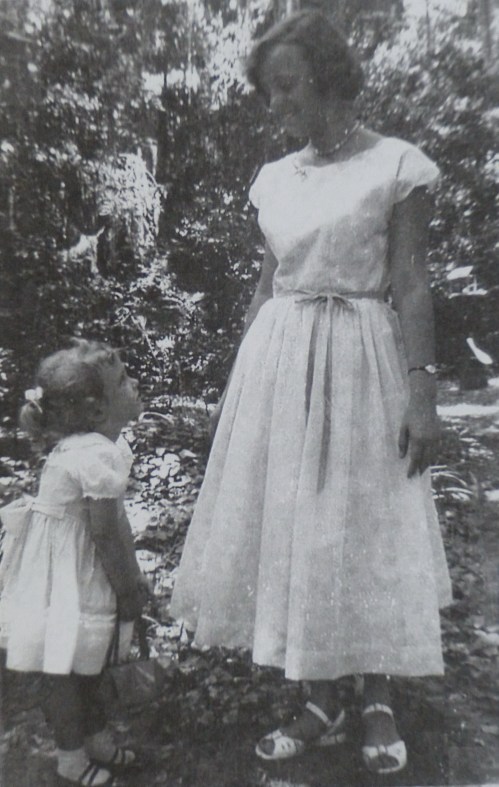
It wasn’t being born female that scarred me. It was overtime, double duty hyper-vigilance plastered layer upon layer with each attempt to control, use or fix me.

Over time petrified limbs of my body and soul cowered whether I wanted them to or not. I fell into protective behaviors that stifled every hint of unhappiness or, God forbid, revulsion. I was physically and emotionally exhausted.

Each woman is different. Internal scars from child abuse, and sexual harassment or unjust workplace practices that disadvantage women are not the same as external scars or physical challenges. Sometimes the best way to begin healing is to find a trusted friend or referral service to suggest next steps that might work for you.

I was initially helped by a twelve-step group of over 20 women meeting weekly in a church basement. It didn’t cost me anything but my pride plus $1 a week (optional) in the basket. For 5 years I showed up 2 or 3 times each week for this and other twelve-step meetings. All while I was teaching full-time at a seminary. It took me that long to realize I needed professional help. By then I was in my late 40s.

I began blogging four years ago to break silence about my childhood and teenage years. Today it’s about more than that—though dealing with my past helped free me to write as I do today.

When we women invest wisely in our emotional, spiritual and physical health, we do the most important work of our lives. We don’t deserve to carry heavy layers of scars. Some can be laid aside. Others we get to keep. They connect us to sisters and brothers, and can, from time to time, add to our beauty and wisdom.

© Elouise Renich Fraser, 10 January 2018
Photo taken by my father, 1954/55, my youngest sister and I, Savannah, Georgia

silence settles

silence settles
fills cracks in evening darkness
ticking clock whispers

It’s my favorite time of day. Quiet and dark, nothing making a sound except the hum of our refrigerator, water gurgling through the radiator, my heartbeat echoing in my ears, and the calm, super-quiet tick of my now-ancient desktop clock. I bought it in Germany in the 1970s. It sits on our kitchen table, faithful and timely for nearly four decades.

Last night I was bemoaning (only slightly, mind you) my housebound captivity during our early winter cold spell. I’ve always enjoyed this time of day. I get to read a little, write a little, eat a little snack on behalf of my blood sugar, and often listen to evening hymns—singing along if I’m so inclined.

So last night I decided to write a haiku about my evening surroundings. Writing it was more than enough to calm and lift my spirits. If I can’t walk in the woods, I can wander through my house of memories. Surrounded by reminders of where I’ve been, how many amazing people and places I’ve known along the way, and the beauty of late evening silence.

Happy Monday!
Elouise

© Elouise Renich Fraser, 8 January 2018
Photo found at pixabay.com

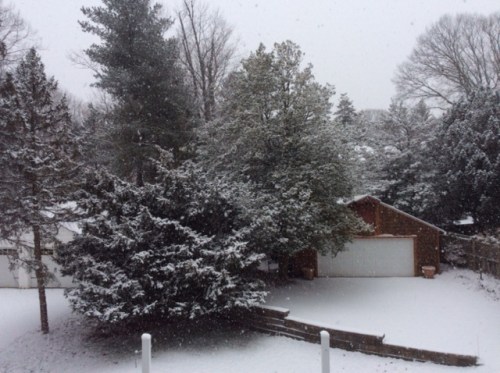
without fanfare

without fanfare
snow blankets a multitude
of the fallen

A silent mercy falling from heaven. It asks no questions, requires no filled-in forms, no fees to pay or bribes expected. Just a quiet laying to rest of the fallen.

This morning I woke up to the beginning of a short, ice-cold soft snowfall. Our worlds carry so much grief on the surface and beneath the ground. Public and private. Self-inflicted and other-inflicted. The names of fallen ‘great’ men and ‘great’ women tick past our eyes in tribute to those we’ve lost.

Yet the greatest losses are small, personal, unrecorded and unacknowledged. I imagine a gentle snowfall blanketing your sorrow and mine. Letting our losses be just as they are. Invisible and not forgotten. Blanketing the overflowing wisdom and sorrow of little children, women and men everywhere.

This isn’t about romanticized loss. It’s about acknowledging the staggering number of irreplaceable lives and dreams now laid to rest in their particular beauty, agony and grandeur. Just a little lower than the angels. Each and every one.

© Elouise Renich Fraser, 30 December 2017
Photo taken by me with my iPad, from our bedroom window 30 December 2017

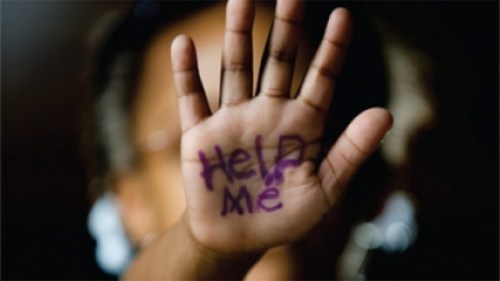
disappeared


disappeared seeds
sown in haste germinate –
my heart skips a beat

It’s the late 1950s. I’m a young teenager, sitting at the supper table with my parents and my three sisters. I’m teary, feeling crampy and a bit nauseous. Not eager to eat anything.

My father tells me to stop crying and eat my dinner. I can’t stop crying, and my stomach ache isn’t going away.

My father tells me to stop this nonsense immediately, or he’ll give me something to really cry about. I burst into loud tears and run upstairs to my bedroom, sobbing my heart out.

My childhood, youth and adulthood are littered with occasions that replicate or echo these dynamics. My biggest problem, so it seems, is that I’m over-emotional and haven’t yet learned to control myself.

I learned to ‘disappear’ myself by choking on my emotions, swallowing them, eating them alive, or trying to paste a happy face over my true face.

When I wrote about the pain of retirement, I said I feel ‘disappeared.’ I didn’t hear it then as a loaded word. But now I do. A cue of sorts. The kind that suggests the opposite of what it seems to say. Following is my un-disappeared, crystal clear comment about myself.

No, I do not feel sorry for myself. No, I’m not stuck in a gear I need to shift out of. No, I’m not simply repeating myself over and over and over again.

My words are my words. My feelings are my feelings. I’m as entitled to them as anyone else is to his or hers. I dare not sit on them, deny them, modulate them to suit your ears, or beg forgiveness for not living up to what you believe should be the standard for my life.

I’ve never understood why some men (also some women) have, throughout my life, felt free to give advice about how I should NOT be. Or about what I should be ‘over’ by now.

My father buried and tried to smother in his body and soul the very things he demanded I bury in my body and soul. Not because they would harm me, but because they made him uncomfortable, or didn’t fit his view of the woman he wanted me to become. Or the man he thought he was.

I’m grateful for my feelings. I admit to feeling uneasy sometimes about letting them show. Yet overall, I’m grateful to be a highly sensitive woman of a certain age. Unleashed, untamable, not prone to shame or responsive to scolding.

© Elouise Renich Fraser, 11 December 2017
Image  found at ucg.org

yesterday’s ghosts

yesterday’s ghosts
stir in their graves
dismembered

They want to shame and blame me. Turn me into the problem I am not. Make it my fault. Or the fault of my overactive emotions or hormones run wild.

And the tears. If I would just stop getting all emotional about it. It’s over and done with, Sister. Get used to it. This is the way of the world. If you don’t like the heat, don’t stand so close to the fire.

I’m proud to be a thriving survivor. Like other women and men, I’ve been sexually harassed, humiliated and punished physically, verbally and emotionally. Sadly, the patterns of my childhood and youth didn’t stop when I became an adult woman — a supposedly mature, thoughtful, educated, gifted, responsible, compassionate, dependable, reliable woman, true to her word.

My recent nightmare with its scoffer’s row of men intent on intimidating me brought it all back. As did my recent review of private journal entries from my years as a seminary professor and dean. To say nothing of public figures coming forward to talk about their experiences.

Where will this lead? Is it simply the media event of the year? I pray it is not.

My father set the stage early in my life. He was the boss. I was not. He wore his medals proudly: Male, Ordained, Father, The Boss.

Instead of learning to stand on my own two feet without apology, I was subjected to formation in unquestioning submission to men (unless they were obviously ‘bad’ men), submission to my teachers, submission to my employers, submission to the governing powers, and submission to God as a disobedient, rebellious, stubborn and angry little girl.

My father also formed me in the sick opposites of these submissions. These included lack of respect for my female body, female voice, thoughts, instincts, intuitions, emotions, and my identity as God’s beloved daughter child. They also included formation in going along to get along.

  • Smiling whether I wanted to or not
  • Being polite instead of truthful
  • Not hurting other people’s feelings
  • Not embarrassing myself or others in public
  • Doing as I was told, without asking questions or grimacing

Today I’m holding out for women and men who won’t allow their ghosts to rest in peace until justice is done. Not for us, but for all the children of this world, especially those without safe allies. Otherwise, this will indeed become a passing fad–for all but the powerful few.

I’m in this  for the long haul. How about you?

Elouise

© Elouise Renich Fraser, 7 December 2017
Image found at raisingintuitivechildren.com

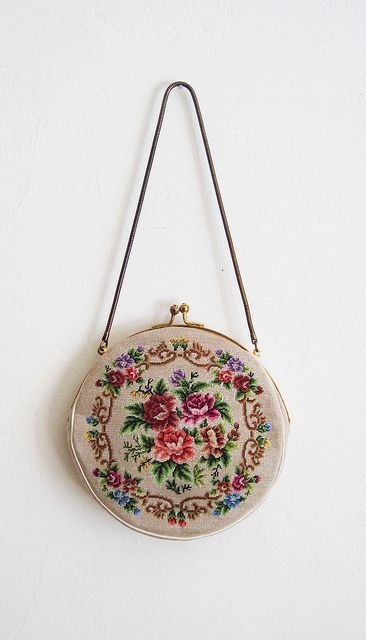
Clutching fragile identity


Clutching fragile identity
close to her body
She enters the room
secured by precious props
disguised in glitter –
Mundane necessities
for the ornamental woman

I’ve often wondered who invented clutch bags for women. The most alluring, annoying, disempowering fashion item I’ve ever met.

Imagine working a room with only one hand and arm. Clutching a small bag in the other hand, or trying to keep the bag nonchalantly hanging by a metal chain from your shoulder or arm. Or eating your meal while balancing a slippery clutch bag on your lap. Or going through the agony of deciding which absolutely essential items you need to take along this evening. Or the higher agony of feeling totally insecure and incomplete without something clutched in your hand, close to your body. Like a decoration, or a weapon of social warfare.

I still own a few beautiful clutch bags—small, lovely, ‘feminine’ and retro. They’re sitting in the museum of my dresser drawer. Nothing worth selling. Just reminders of past years when I flirted with being a ‘stylish’ woman, and how awkward I felt.

By the way, what ever happened to sensible, stylish pantsuits for women, with sensible pockets?

Thanks to WordPress for this prompt, and the invitation to highlight one of my favorite imponderables.

And thanks to you for stopping by! We spent Thanksgiving Day with D’s sister, her husband, one of their friends, and their sweet kitty. Great food and conversation, a brisk walk around the block a couple of times, and a chance to enjoy and strengthen bonds that matter. No clutch bags allowed. 🙂

Elouise

© Elouise Renich Fraser, 24 November 2017
Image of vintage clutch bag found at pinterest.com
Daily Prompt: Clutch

Surely goodness and mercy….

Tomorrow is Thanksgiving Day; yesterday’s post is still on my mind. I’m grateful for the poem that was in me, grateful for words to tell you about this episode in my professional life, and grateful to be who I was and still am. A tough old cookie. A highly sensitive and intuitive wise woman. A thriver. A persistent woman who won’t sit down and shut up. Or stand up and perform on command.

I didn’t get here by myself. I got here thanks to scores of women and men who saw in me more than I could see in myself. I also got here thanks to my Creator, my true Parent from the beginning, walking with me and watching my back.

Following a well-earned sabbatical leave and peaceful summer break, I was on my way to the seminary for the first day of fall term. Several students who protested against me a year earlier were likely to show up in my required course.

To say I was anxious would be an understatement. Yet here’s what happened next, as described in the semi-memoir I began writing during my sabbatical.

I stopped at a traffic light and waited for it to change. Two older men, perhaps in their seventies, were coming down the sidewalk, facing me. They were out for an early-morning walk. They moved along quickly, talking and laughing. The sun was up. It was a gorgeous day.

As they came closer, I noticed they were holding hands. This seemed rather unusual. But it was also wonderful. My mind turned to friendships among older men. I wondered how long these men had known each other and whether they walked together every day.

Suddenly, without any signal and without breaking their stride, they left the sidewalk and began walking through a large parking lot. They seemed to be of one will. As they angled away from the sidewalk, I saw it for the first time—the short leather strap they were holding between them. One of them was blind.

In a flash my eyes filled with tears. I saw myself walking blindly into this class. Seeing some things, but not everything. Knowing someone with sight beyond my sight was beside me. All I had to do was follow God’s lead, keep holding on to the strap and keep putting one foot in front of the other.

Elouise Renich Fraser, excerpt from Confessions of a Beginning Theologian, p. 132, Intervarsity Press 1998

“Surely goodness and mercy shall follow me all the days of my life….”

Happy Thanksgiving, everyone!
Elouise

© Elouise Renich Fraser, 22 November 2017
Photo of shepherd boy playing flute to sheep found at nikisawyer.com

Daily Prompt: Mercy

Perhaps on a rare day

Things fall apart
Perhaps on a rare day
They will fall together

Shadows sift through memories
Find her wandering alone
Lost in a forest of horrors
Body parts scattered around
Remains of anonymous whisperers
Still echoing through trees

There’s more than one way
To take a body apart in darkness
Her heart pounds in her chest
She wonders where this will end
All is not necessarily well that ends

Resisting the urge to run
She faces accusers now residing
Within her body of rearranged parts
That don’t remember where they belong
Or where they were going
Before tongues began wagging
Slicing their way through air
Intent on silencing her voice forever

This happened in the early 1990s. I was a tenured full professor. The course was required for all MDiv (Master of Divinity) students. It was the first course I’d taught in which women, men of color, and international students outnumbered white men.

I never saw it coming. The day after I turned in all grades for fall term, the dean asked to see me. At the meeting he gave me the news. During the semester, about half the students from this course had lodged serious concerns with him and with the president about me. More than once.

The seminary president wanted a meeting with me and with the dean to talk about these concerns. No, I could not meet with these students before or after this meeting. No, I could not have a list of names because the students feared retribution. Nor could I have a list of their concerns. Most students who signed the formal complaint were white men; some were men of color; some were women.

I agreed to the meeting only if I had time to review the list of complaints, and only if I could bring a senior colleague—an African American woman of great wisdom and experience.

My requests were resisted. Nonetheless, I persisted, and the meeting took place. It lasted one and a half hours. I felt trapped in someone else’s muck and mire.

Before the meeting, I’d studied the three pages of typed, detailed notes the dean had taken during meetings with students. According to the students, I was sadly deficient in three areas: my theology, my teaching style, and my character. Each area included excruciating detail. I did not recognize myself.

The dean and president denied my request for a meeting with at least some of the students. I was never told who they were. With the exception of a brave few, they remained nameless. Some were doubtless in my later courses.

I wasn’t disciplined. I was, however, broken in spirit, and grateful for my upcoming spring term sabbatical. I was also grateful for my female college who met with me following the meeting to talk about what had just happened and what I’d learned that would help me in the future.

My recent nightmare stirred all this up. The poem is about me. It’s sent out with prayers for all children, young people, adult women and men who endure daily dismemberment and humiliation, seen and unseen.

© Elouise Renich Fraser, 21 November 2017
Photo of Deep Forest found at mybligr.com

Daily Prompt: Sludge

Thank you, Anita Hill

In October 1991 I listened to your courageous testimony about Clarence Thomas. Your words took me back to my first boss. It was 1960. I’d just graduated from high school and was now a clerk in a bankruptcy court. We called the boss ‘Judge,’ though he was actually a referee in bankruptcy. He’d held this governmental appointment for years. He was about 60 years old; I was 16.

By 1991 I’d told only my husband the truth about my first boss. From the beginning, the Judge was on a mission to take me down a notch or two by way of sexual innuendo and outright inappropriate behavior toward me. He knew I was under-age, that my father was an ordained minister, and that I was a Christian. He said he was a Christian, too, and reminded me from time to time of his church membership.

I didn’t know what hit me. I got through three summers plus one full year, thanks to the friendship of other women working in the office, and the kindness of a few male attorneys who knew the Judge and witnessed some of his behavior toward me.

Back then the term ‘sexual harassment’ hadn’t been invented, or connected to Abuse of Power as an issue in the workplace. In addition, my childhood home where I still lived didn’t offer a safe place to talk about anything related to sex.

Flash forward to October 1991, and your testimony before the Senate Committee. I owe you a huge debt of gratitude for at least two things.

  • First, your personal account was the first I’d ever heard from a professional woman talking about repeated sexual innuendo and inappropriate behavior in the work place.
  • Second, your courage gave me courage to begin talking about this without fear or shame.

I’m sad this happened to you. I’m sad things happened to me. I’m sad things like this still happen every day to others.

Am I angry? Yes, I am. Angry that even in today’s reports from powerful women about powerful men, we’re still using the language of “if this is true.” Which conveniently overlooks the power imbalance that was in place when the alleged behavior happened. To say nothing of optics and the appearance of evil that seems now to be embraced, not avoided. Embraced, and laughed at in a zillion cartoonish ways.

We are not the world’s latest sleazy entertainment opportunity. We are women with every right to stand up and tell the truth about what happened and didn’t happen to us. And why it must stop now if we’re ever to be Great. Not again, but for the first time ever.

May God grant us serenity to accept what we cannot change, courage to change the things we can, and wisdom to know the difference.

Thank you for showing me how this is done. Not just then, but throughout your professional career.

Respectfully,
Elouise Renich Fraser

For a 2016 PBS News Hour video discussion between Gwen Ifill and Anita Hill, click here. It’s outstanding.

©Elouise Renich Fraser, 13 November 2017
Photo found at gq.com