Telling the Truth

connecting the dots of my life

Tag: Memories

It’s been an age

Tree

This is one of my favorite poems, at least as true today as it was when I posted it in November 2014. Today has been filled with a mixture of happiness and contentment, along with a lurking feeling that we’re all at sea, and the ship of state is stressed.

How do you see yourself and others today? I hope you’ll give yourself a great big smile before the day is done. Then give away at least one more smile. All we can count on is the present.

It’s been an age since I first met you—
You there, looking back at me
Three score years plus eleven to be exact
You haven’t changed a bit, they say
You and I know better
Sometimes I can’t believe it’s you
I hardly know you
Could we start over do you think?
Would it be as much fun?

I don’t know.
Was it fun for you?
Are you as puzzled as I am?
I seem to have more questions than answers today
Where and when did we find each other?
We seem to get along
But then we always did even when we didn’t
So who am I to say?

All I know is looking back at me
Wondering where the time has flown
And who this beautiful woman is
Smiling at me through the mirror

* * *

© Elouise Renich Fraser, 20 November 2014, reposted 18 June 2020
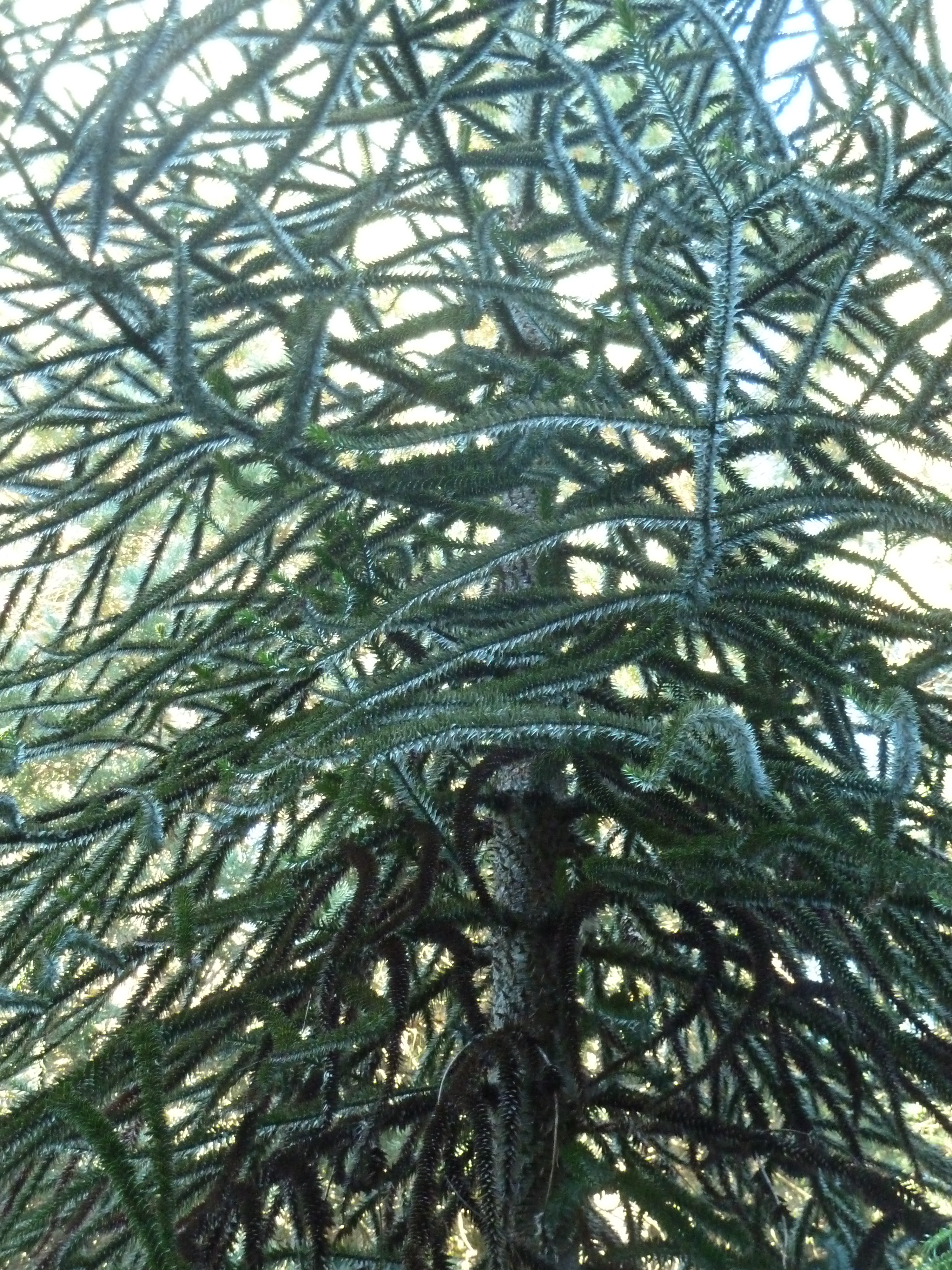
Photo Credit:  DAFraser, December 2012
Hoyt Arboretum, Portland, Oregon

Resisting Mr. Trump


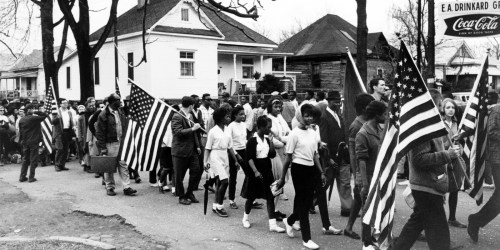
Civil Rights March from Selma to Montgomery, Alabama (1965)

What is the content of my character? The question haunts me. I’m in the golden to fading-golden years of my life. Until early this year, all my ducks (as many as I could herd) seemed to be lining up in a neat row, with plans and documents in fairly good order.

The appearance of Mr. Trump on the overtly political stage distressed me in 2016. Today it horrifies me that he’s still there.

This isn’t about who wins the next election. It isn’t even about Covid-19. It’s about resistance and the content of our character.

Mr. Trump doesn’t seem to lose sleep over the content of his character.

I wonder about myself.
Do I understand true resistance?
And what is the content of my character right now?

For decades I minimized the circumstances of my childhood. I thought that if I got on with my life as an adult, the baggage of the past would gradually fade away.

That didn’t happen. It never does. I had to resist openly. I had to open my mouth, and say what I needed to say to the people who most needed to hear from me–my parents. Which I did on the eve of my 50th birthday.

I grew up under the strict, sometimes harsh tutelage of a father who contantly reminded me that he was in control, and I was not. But power is never a sign of ‘rightness’ or even (as in my ordained father’s case) ‘righteousness.’

When I look back at my internal resistance to my father’s heavy-handed methods of control, I wonder how I did it. Stubborn? Yes. I was stubborn–though not in the way my father thought I was.

Instead, I learned to embody stubborn resistance in the face of overwhelming odds. Sometimes it worked to my advantage. Overall, however, it did not. My body paid a high price.

It would not be fair or true to say my father and Mr. Trump were cut from the same cloth. Still, there are obvious overlaps, including unhealthy narcissism. The kind that tries to eradicate healthy narcissism in others.

It doesn’t matter whether Mr. Trump wins the next election or not. He has already wreaked havoc here in the USA and abroad. It won’t do for me to hold my nose and wait for November.

© Elouise Renich Fraser, 25 May 2020
Photo of 1965 March from Selma to Birmingham, Alabama found at americanyawp.com

Love Sorrow | Mary Oliver

This poem from Mary Oliver struck a chord in me. Partly due to the current pandemic, with its waves of sorrow. But also because of my personal history. My comments follow.

Love sorrow. She is yours now, and you must
take care of what has been
given. Brush her hair, help her
into her little coat, hold her hand,
especially when crossing a street. For, think,

what if you should lose her? Then you would be
sorrow yourself; her drawn face, her sleeplessness
would be yours. Take care, touch
her forehead that she feel herself not so

utterly alone. And smile, that she does not
altogether forget the world before the lesson.
Have patience in abundance. And do not
ever lie or ever leave her even for a moment

by herself, which is to say, possibly, again,
abandoned. She is strange, mute, difficult,
sometimes unmanageable but, remember, she is a child.
And amazing things can happen. And you may see,

as the two of you go
walking together in the morning light, how
little by little she relaxes; she looks about her;
she begins to grow.

© 2008 by Mary Oliver
Published by Beacon Press in Red Bird, a collection of poems
“Love Sorrow” is on p. 64

Dear Mary,

Your poem about loving sorrow brought back memories of my childhood and adult life. Especially things taken or withheld from me before I understood they were mine. Plus bits and pieces I lost or gave away throughout my life.

Sorrow, especially if it showed, was an indulgence I needed to give up. Or get over. What’s done is done. It won’t do to make my friends uneasy, or get into trouble with adults who wanted me to be someone else. I learned early to swallow or deny sorrow. Especially in public.

I think you would be horrified though not surprised at the world as it is today. We’re drowning in sorrow and anger, trying to figure out how this tsunami pandemic caught us so unprepared for death and dying, as well as living mindfully.

I don’t want to drown. I want to live and grow, especially now as time is running out.

Thank you for showing me how to befriend my sorrow. How to welcome her into my life, and learn to live with her as the child she is. And how to watch her begin to relax and grow into a strangely wonderful companion.

With gratitude and admiration,
Elouise

© Elouise Renich Fraser, 7 May 2020
Image found at 123rf.com

Are you willing to be condemned? | Lent, Holy Week and Life

I learned condemnation from my father. When I was very young I heard and felt it in his voice and punishments. Or was it the day I was born female? I wasn’t the son my father hoped for.

If only you would keep your mouth shut and play the piano more often! I really like it when you play the piano. It makes everybody happy and proud. And don’t forget to listen to the men. I like that, too!

No, sweetheart, you don’t need to read all those books. Though we’re proud when you make the honor roll. Still, I don’t think you’ll find what you’re looking for at a big university.

You want to be what???? A theologian? A professor? But you’re married aren’t you? Well….if your husband approves of it, who am I to stand in your way?

How dare you cut your parents off until you’re willing to talk with us again? You need to wake up and remember who you are! You were always rebellious and angry. Too bad you couldn’t be more like your sisters.

Am I willing to be condemned? It’s the question I’ve lived with for years. Not because I live in the past, but because I’m always in the present.

Condemnation can arrive cloaked as something else: being overlooked, underestimated, disbelieved, targeted for harassment.

So…For what am I willing to be condemned? For being the woman I am, fully accepted and loved by our Creator. Not always right; not always wrong. Always one of our Creator’s beloved daughters.

In the meantime, my goal is to keep True North in view, and put one foot, one word, one poem, one truth in front of another.

Thanks for visiting and reading.
Elouise

© Elouise Renich Fraser, 7 April 2020
Image found at kissclipart.com

Beneath trees of my childhood | Photos

Beneath trees
of my childhood
memories flood
my eyes with
dreams and sorrows
packed within
the space of one life
gazing at tamed
and untamed beauty
underestimated
until this moment
of imminent loss

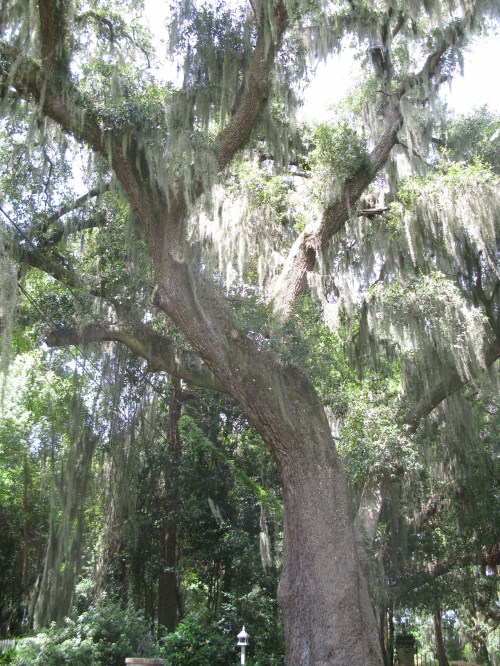
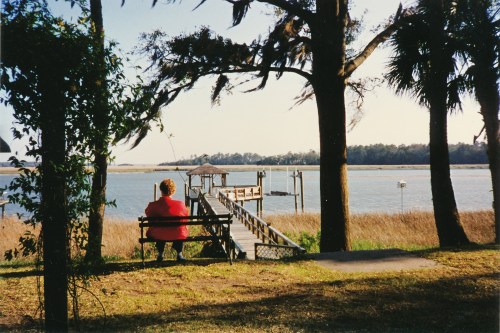
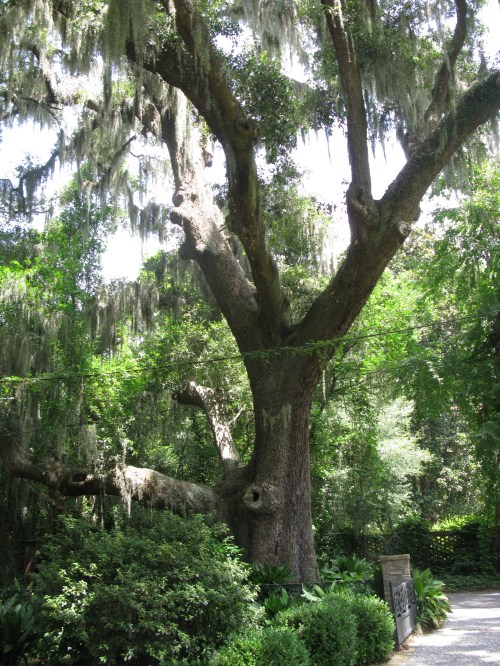
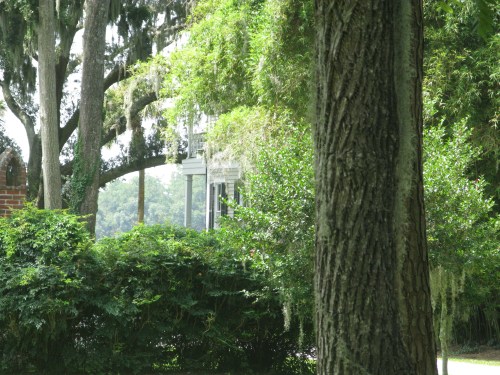
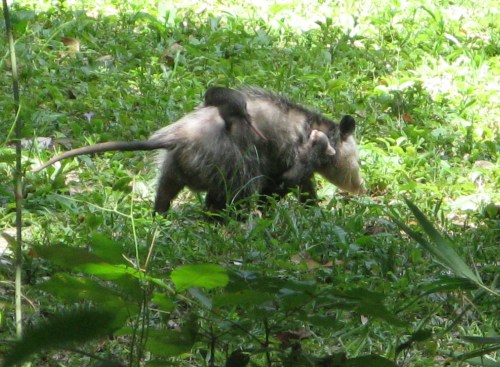
Below are photos of old trees, including palmettos and water oaks, plus the river in front of the house my family lived in during the 1950s. Even though years have passed, and the old house has been turned into an elegant piece of real estate, the trees we played under are still standing. The final photo is an unexpected gift from one of our visits—a mama carrying her two opossum babies.

I grew up under these trees every day from age 7 l/2 to 13. The Spanish moss is probably the same moss, or at least its prolific offspring.

I’ve included one photo from 1996, the year Sister #3, Diane, came to Savannah for a last visit. She had learned weeks earlier that she had ALS. At her request, we drove out to the old Montgomery house for her last visit, this time in mid-winter, at low tide.

Nature and old photos have a way of cleansing us. Cherish your old photos if you still have them. And remember that someday you, too will be cherished in old photos.

Happy Monday, and thanks for visiting.
Elouise

© Elouise Renich Fraser, 30 March 2020
Photos taken near Savannah, Georgia, by DAFraser in 1996 (Diane), and 2010, following my father’s memorial service

The Owl and the Pussy-Cat | Edward Lear

Time for a mid-week break and a bit of nostalgia! Were you treated to this poem when you were a child? My father used to recite it from his phenomenal memory. Of course the entire poem is non-sense, given the history of cats and birds! But then again, we can always dream, can’t we? See below for the text.

The Owl and the Pussy-Cat
By Edward Lear

The Owl and the Pussy-cat went to sea
In a beautiful pea-green boat,
They took some honey, and plenty of money,
Wrapped up in a five-pound note.
The Owl looked up to the stars above,
And sang to a small guitar,
“O lovely Pussy! O Pussy, my love,
What a beautiful Pussy you are,
You are,
You are!
What a beautiful Pussy you are!”

Pussy said to the Owl, “You elegant fowl!
How charmingly sweet you sing!
O let us be married! too long we have tarried:
But what shall we do for a ring?”
They sailed away, for a year and a day,
To the land where the Bong-Tree grows
And there in a wood a Piggy-wig stood
With a ring at the end of his nose,
His nose,
His nose,
With a ring at the end of his nose.

“Dear Pig, are you willing to sell for one shilling
Your ring?” Said the Piggy, “I will.”
So they took it away, and were married next day
By the Turkey who lives on the hill.
They dined on mince, and slices of quince,
Which they ate with a runcible spoon;
And hand in hand, on the edge of the sand,
They danced by the light of the moon,
The moon,
The moon,
They danced by the light of the moon.

I think I’ll read this to Smudge tonight!
Elouise

© Elouise Renich Fraser, 25 March 2020
Video found on YouTube

Uneasy in my own skin

Uneasy in my own skin
Now turning on me
If not one thing
Then it’s another

I love my dermatologist
Except when the phone rings
and the voracious analysts
want one more piece

of my disappearing body
bit by bit they cut and scrape
burn and stitch so often
I can’t remember when

I was once a whole woman
Or was it a tiny little girl
Fresh from the oven
Ready for sacrifice

To the sun goddesses
And my tan is better than
Your tan even if it isn’t
At least I didn’t blister!

I think the poem says it all. Yesterday afternoon I got a call back from my wonderful dermatologist. Two bits of my flesh passed with flying colors. They’re not sure about the third. So yes, they want more. Not what I wanted to hear.

Still, here’s to outstanding dermatologists who don’t always get to deliver good news. Without them, I wouldn’t be the woman I am today. Not because of nips and tucks, but because of many small and a few larger patches of skin they recognized as problematic.

So…..have you been putting off a visit to your dermatologist?

Elouise

© Elouise Renich Fraser, 3 March 2020
Image found at publicdomainpictures.net
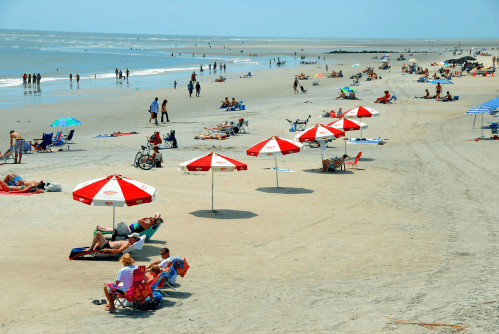
Sunbathers at Tybee Island Beach near Savannah, Georgia

yesterday’s dreams

captured by yesterday’s dreams
reflected in melodious ripples of
water, trees and sky dancing
just beyond our reach
we peer beneath the surface
into shifting mirrors of time and space
overflowing with dreams and promises
each small gem waiting impatiently
to catch the sun and explode into life

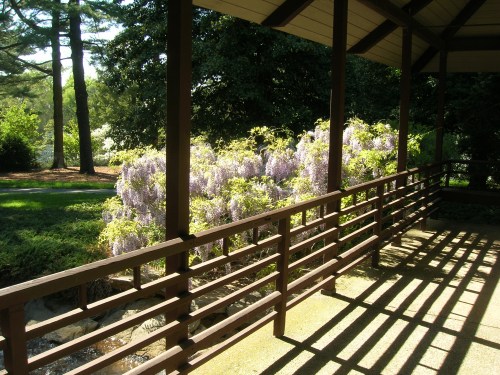
I love the haunting feeling of the top photo, and the way it puts us in proper perspective. It’s April 2006. We’re at Longwood Gardens with our twin granddaughters, just below the eye of water (see below). Trees, water, grassy lawns and blossoming shrubs are welcoming the best part of Spring, accompanied by the sound of cascading water in the background.

Since 2006, our lives have taken paths we never anticipated, and sometimes didn’t want. Nonetheless, speaking for myself, it’s been a great adventure. The kind I hope and pray our granddaughters and grandson have as well.

Thanks for visiting today!
Elouise

© Elouise Renich Fraser, 27 February 2020
Photos taken by DAFraser at Longwood Gardens, April 2006 

Thank you, Anita Hill

I’m reposting this in honor of women who stand up to power today,
and in light of news about the Harvey Weinstein case.
 

In October 1991 I listened to your courageous testimony about Clarence Thomas. Your words took me back to my first boss. It was 1960. I’d just graduated from high school and was now a clerk in a bankruptcy court. We called the boss ‘Judge,’ though he was actually a referee in bankruptcy. He’d held this governmental appointment for years. He was about 60 years old; I was 16.

By 1991 I’d told only my husband the truth about my first boss. From the beginning, the Judge was on a mission to take me down a notch or two by way of sexual innuendo and outright inappropriate behavior toward me. He knew I was under-age, that my father was an ordained minister, and that I was a Christian. He said he was a Christian, too, and reminded me from time to time of his church membership.

I didn’t know what hit me. I got through three summers plus one full year, thanks to the friendship of other women working in the office, and the kindness of a few male attorneys who knew the Judge and witnessed some of his behavior toward me.

Back then the term ‘sexual harassment’ hadn’t been invented, or connected to Abuse of Power as an issue in the workplace. In addition, my childhood home where I still lived didn’t offer a safe place to talk about anything related to sex.

Flash forward to October 1991, and your testimony before the Senate Committee. I owe you a huge debt of gratitude for at least two things.

  • First, your personal account was the first I’d ever heard from a professional woman talking about repeated sexual innuendo and inappropriate behavior in the work place.
  • Second, your courage gave me courage to begin talking about this without fear or shame.

I’m sad this happened to you. I’m sad things happened to me. I’m sad things like this still happen every day to others.

Am I angry? Yes, I am. Angry that even in today’s reports from powerful women about powerful men, we’re still using the language of “if this is true.” Which conveniently overlooks the power imbalance that was in place when the alleged behavior happened. To say nothing of optics and the appearance of evil that seems now to be embraced, not avoided. Embraced, and laughed at in a zillion cartoonish ways.

We are not the world’s latest sleazy entertainment opportunity. We are women with every right to stand up and tell the truth about what happened and didn’t happen to us. And why it must stop now if we’re ever to be Great. Not again, but for the first time ever.

May God grant us serenity to accept what we cannot change, courage to change the things we can, and wisdom to know the difference.

Thank you for showing me how this is done. Not just then, but throughout your professional career.

Respectfully,
Elouise Renich Fraser

For a 2016 PBS News Hour video discussion between Gwen Ifill and Anita Hill, click here. It’s outstanding.

©Elouise Renich Fraser, 13 November 2017, reposted 25 February 2020
Photo found at gq.com
A Visitor | Mary Oliver

This haunting poem by Mary Oliver comes from a 1986 collection called Dream Work. My comments follow.

A Visitor

My father, for example,
who was young once
and blue-eyed,
returns
on the darkest of nights
to the porch and knocks
wildly at the door,
and if I answer
I must be prepared
for his waxy face,
for his lower lip
swollen with bitterness.
And so, for a long time,
I did not answer,
but slept fitfully
between his hours of rapping.
But finally there came the night
when I rose out of my sheets
and stumbled down the hall.
The door fell open

and I knew I was saved
and could bear him,
pathetic and hollow,
with even the least of his dreams
frozen inside him,
and the meanness gone.
And I greeted him and asked him
into the house,
and lit the lamp,
and looked into his blank eyes
in which at last
I saw what a child must love,
I saw what love might have done
had we loved in time.

c. 1992, Mary Oliver
New and Selected Poems, Volume One, pp. 116-117
Published by Beacon Press

Mary Oliver left home early in life to get away from an abusive situation. Now, years later, wild knocking in the dark of night reminds her of what she ran away from. If she opens the door, she must confront the man she remembers having a “waxy face” and “a lower lip swollen with bitterness.”

She ignores the pounding on the door. The knocking persists at all hours of the night. And so she “stumbles down the hall,” and the door “falls open.”

In an instant, Mary Oliver knows she has nothing to fear. In fact, it seems she’s surprised to discover her father is “pathetic and hollow.” Even his smallest dreams have frozen, and his meanness has vanished.

She greets him, invites him to come into her house, lights a lamp, looks into his “blank eyes” and sees what was needed when she was a child, plus what might have been “had we loved in time.”

The poem isn’t about Mary Oliver’s father; it’s about Mary. In the end, It affirms her decision to leave home, and acknowledges the high cost she and her father paid. With grief, and without apology.

© Elouise Renich Fraser, 12 February 2020
Book cover image found at amazon.com